Abigail McCallum
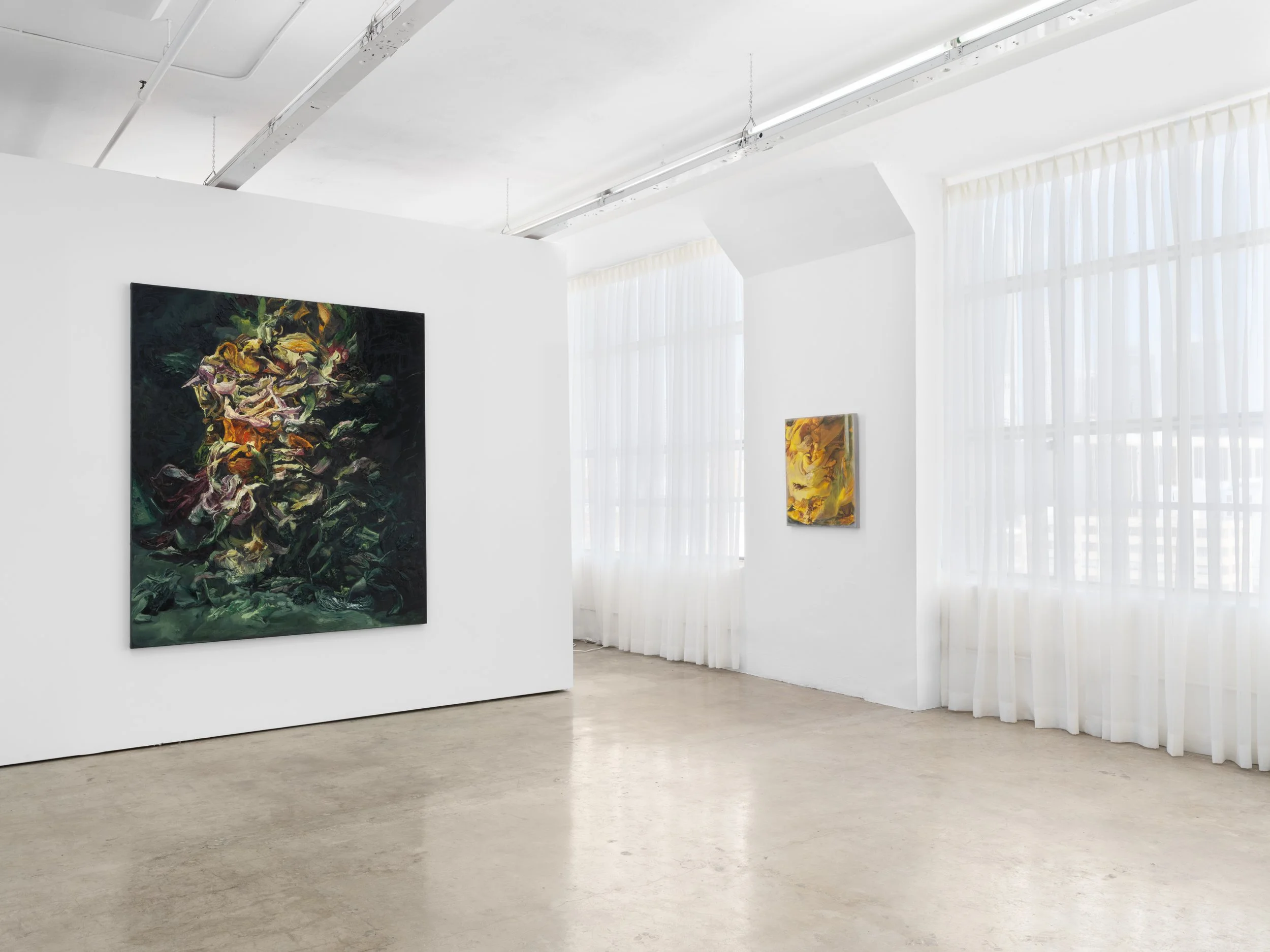
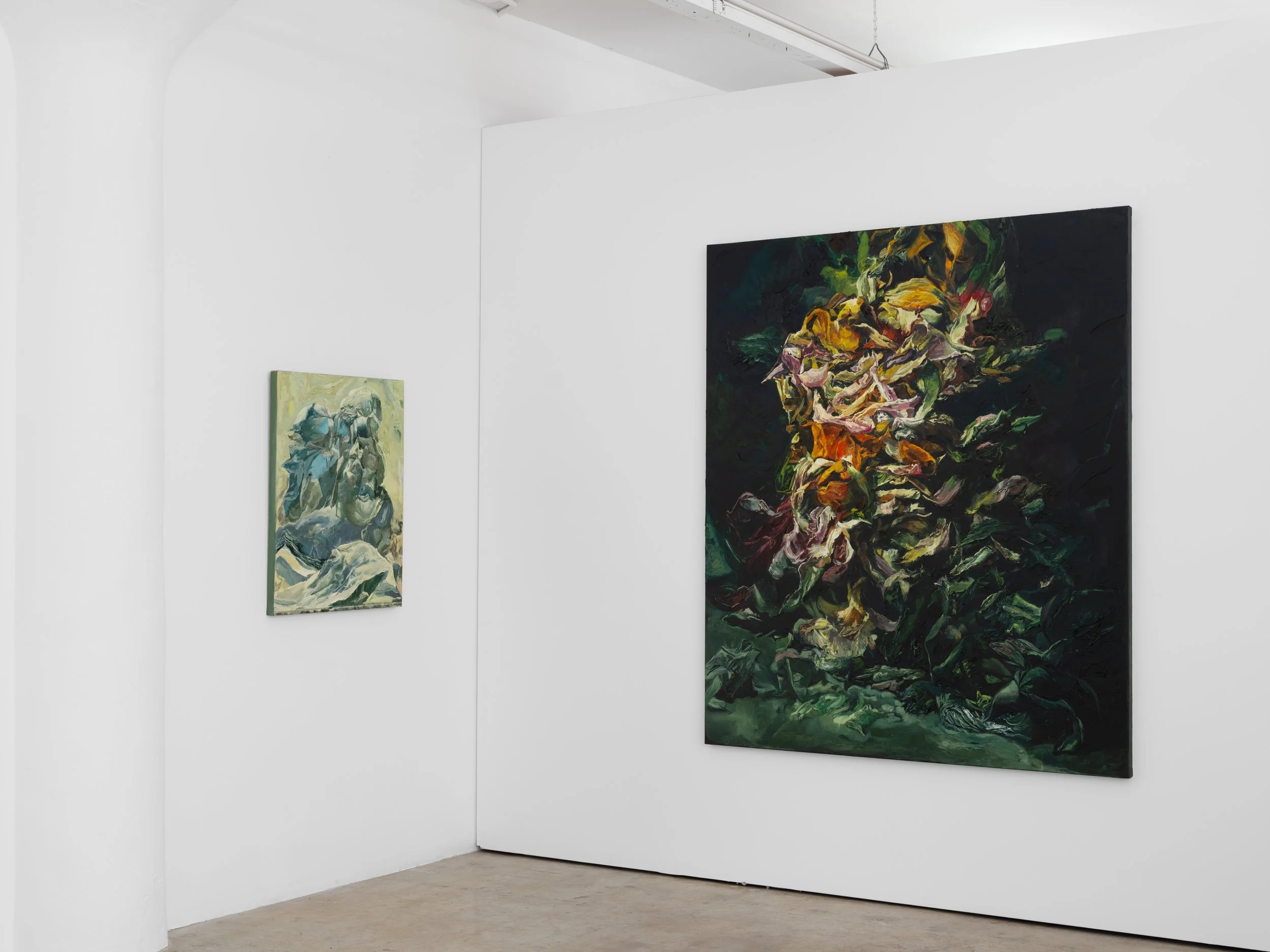
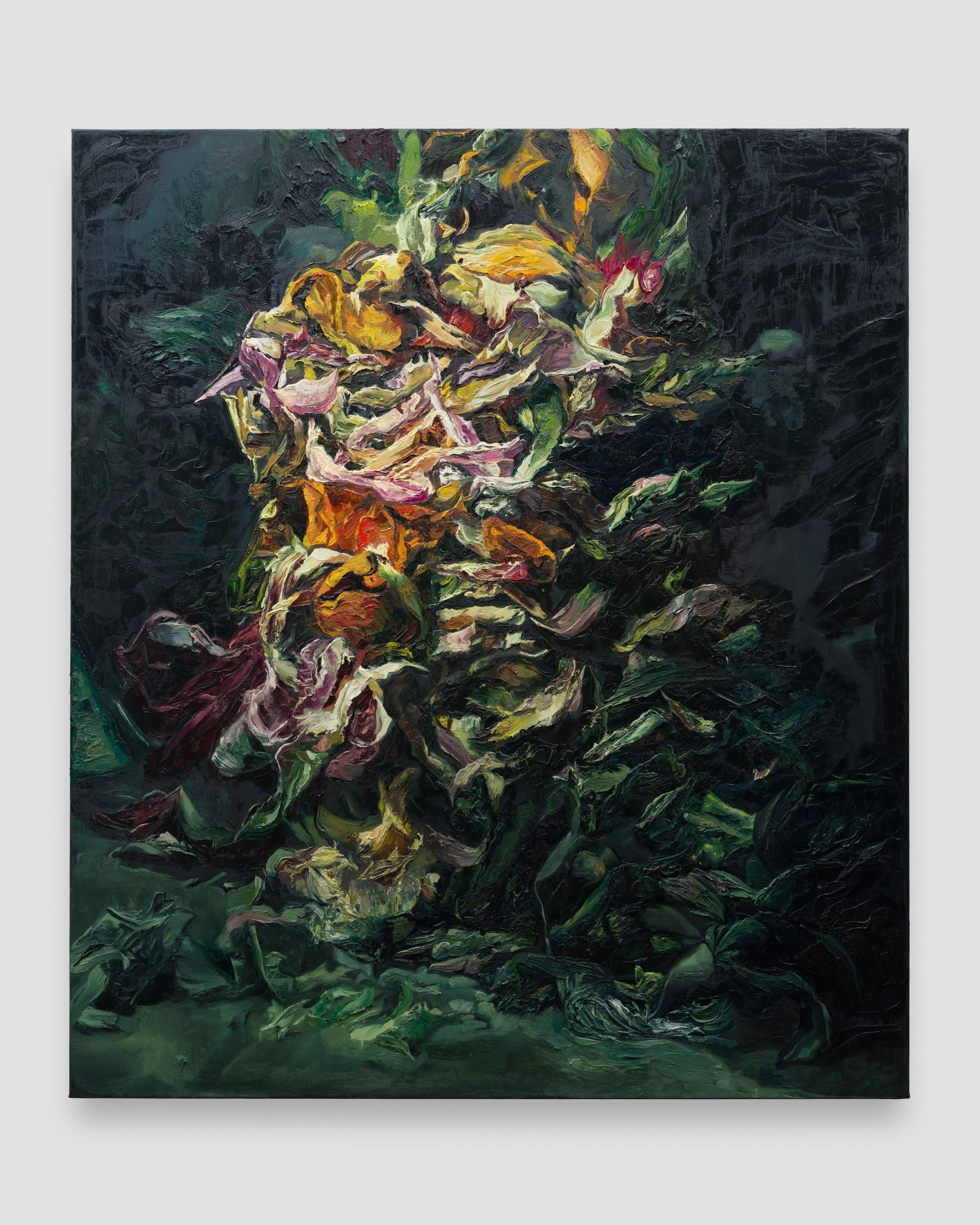
The Fall, 2026
Oil on linen
72 × 62 in.
Abigail McCallum: History of Our Blood
September 19 – November 14, 2026
Opening Reception: Saturday, September 19, 5 – 8pm
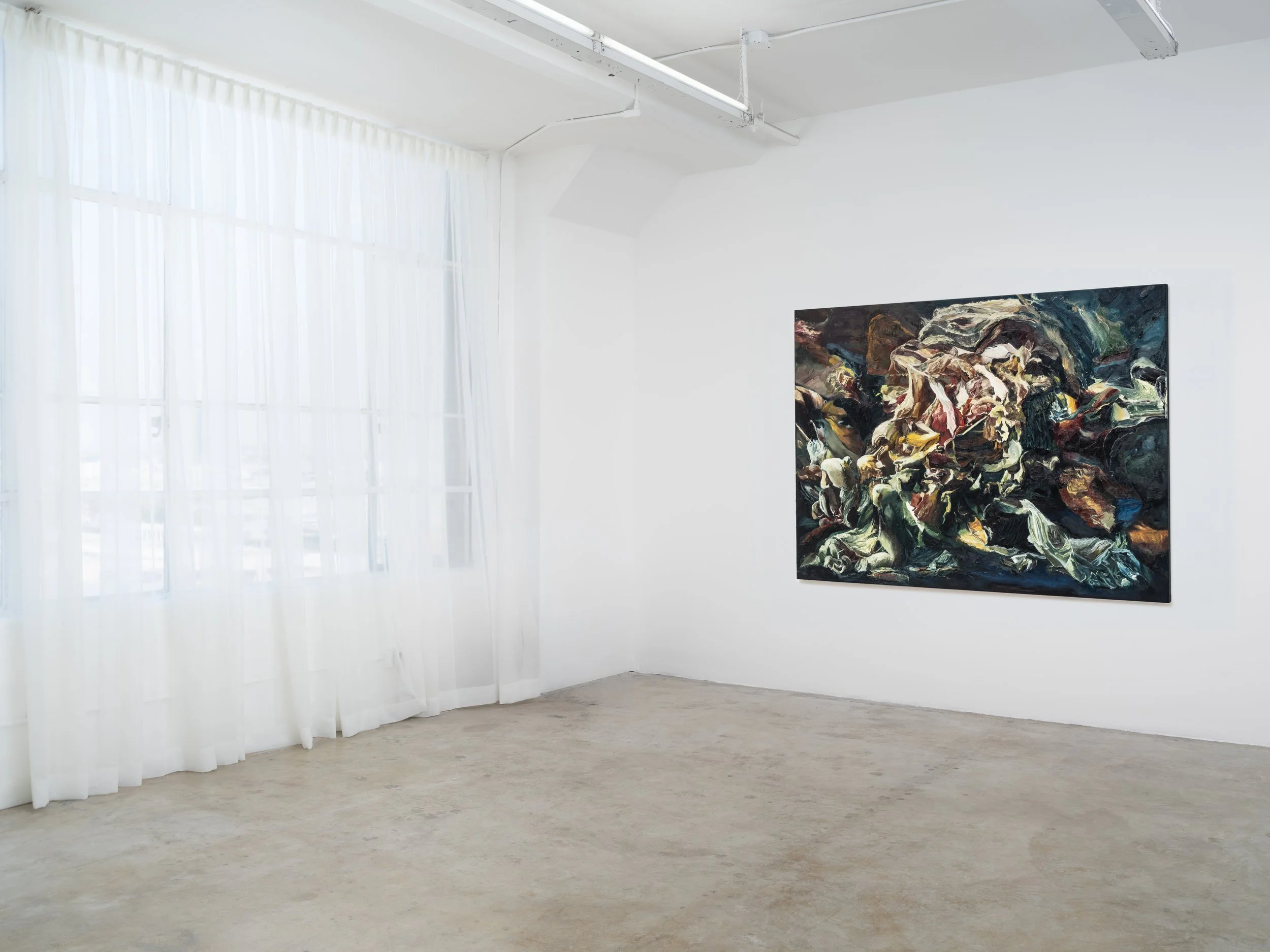
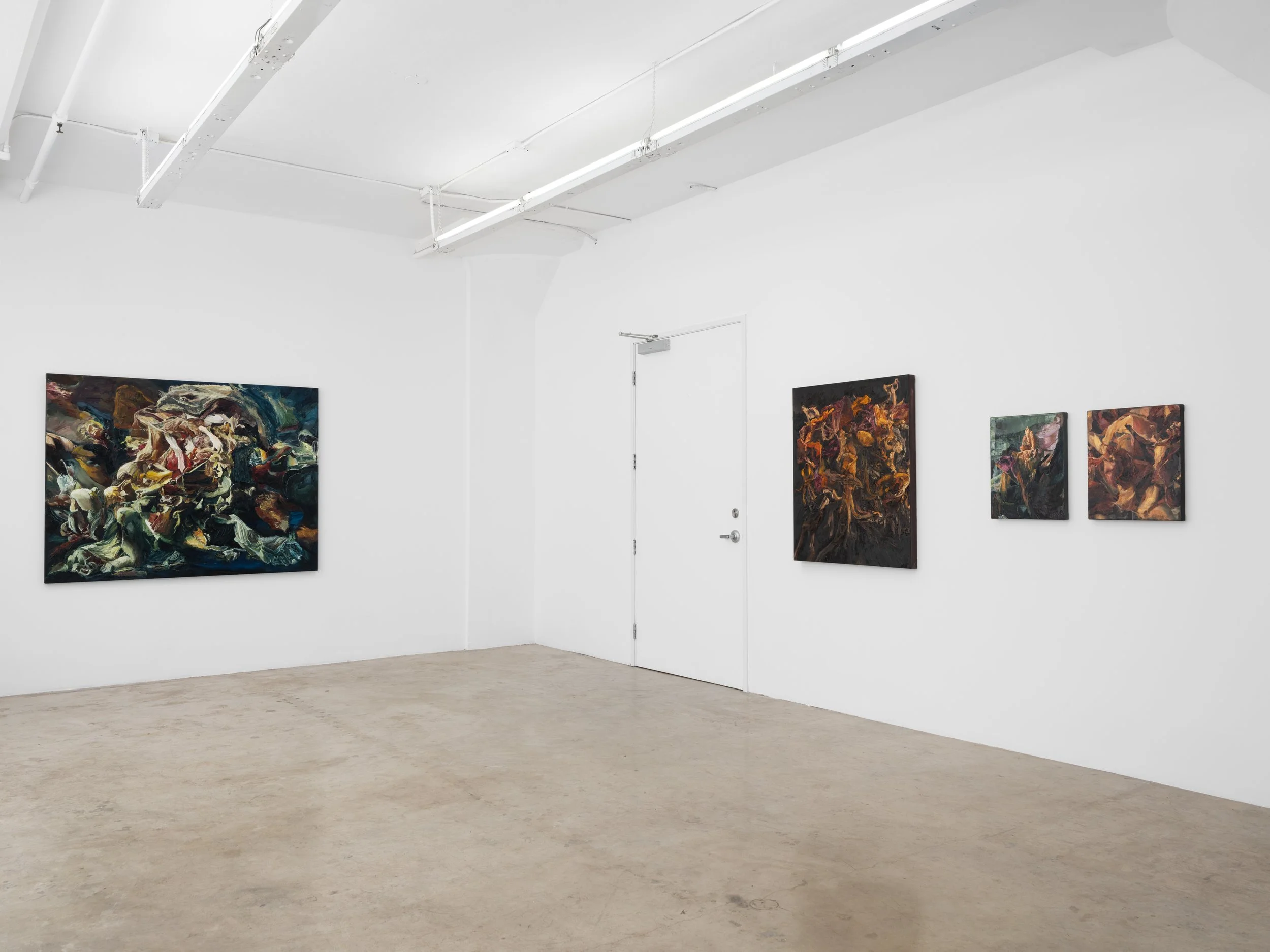
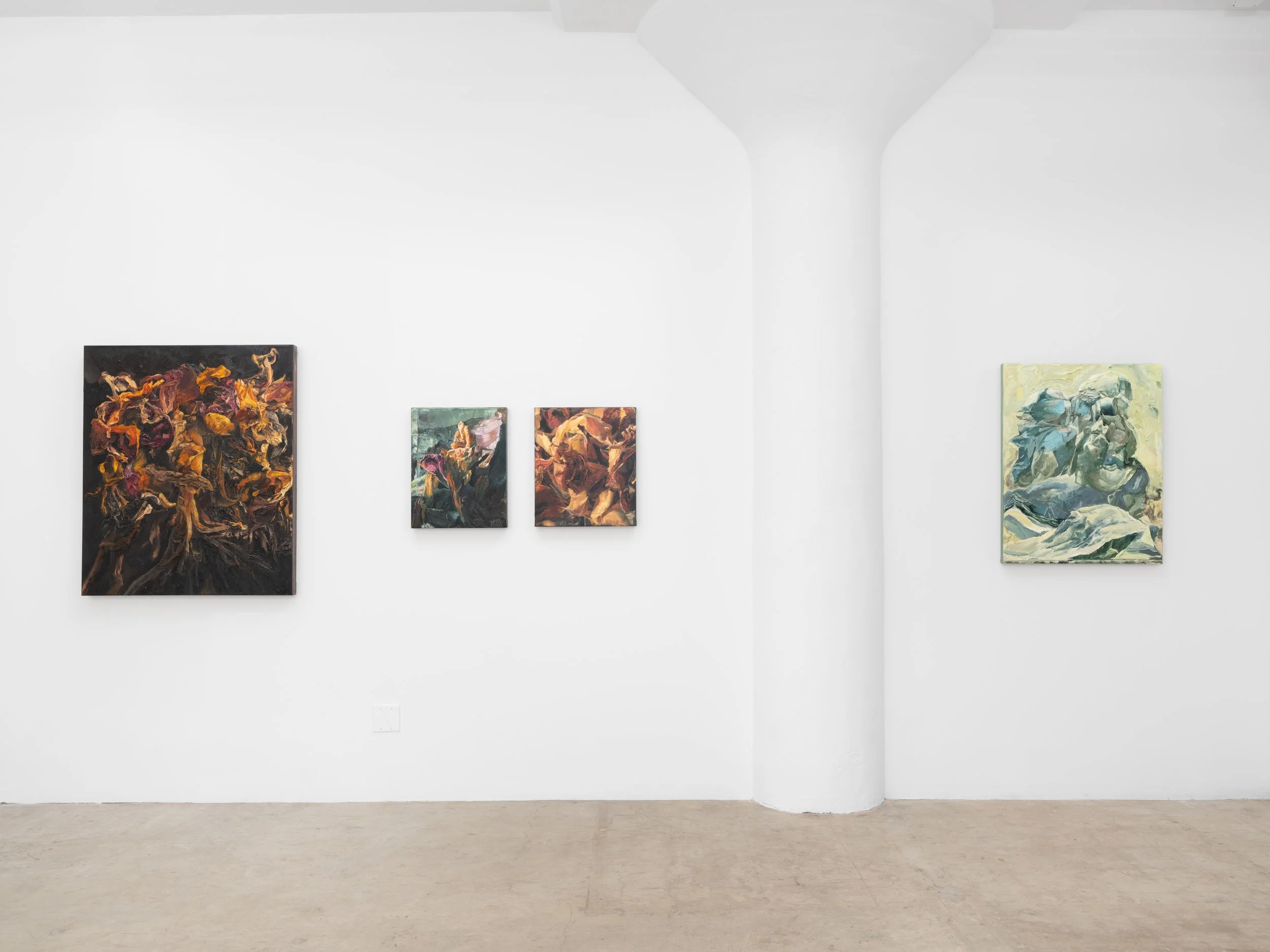
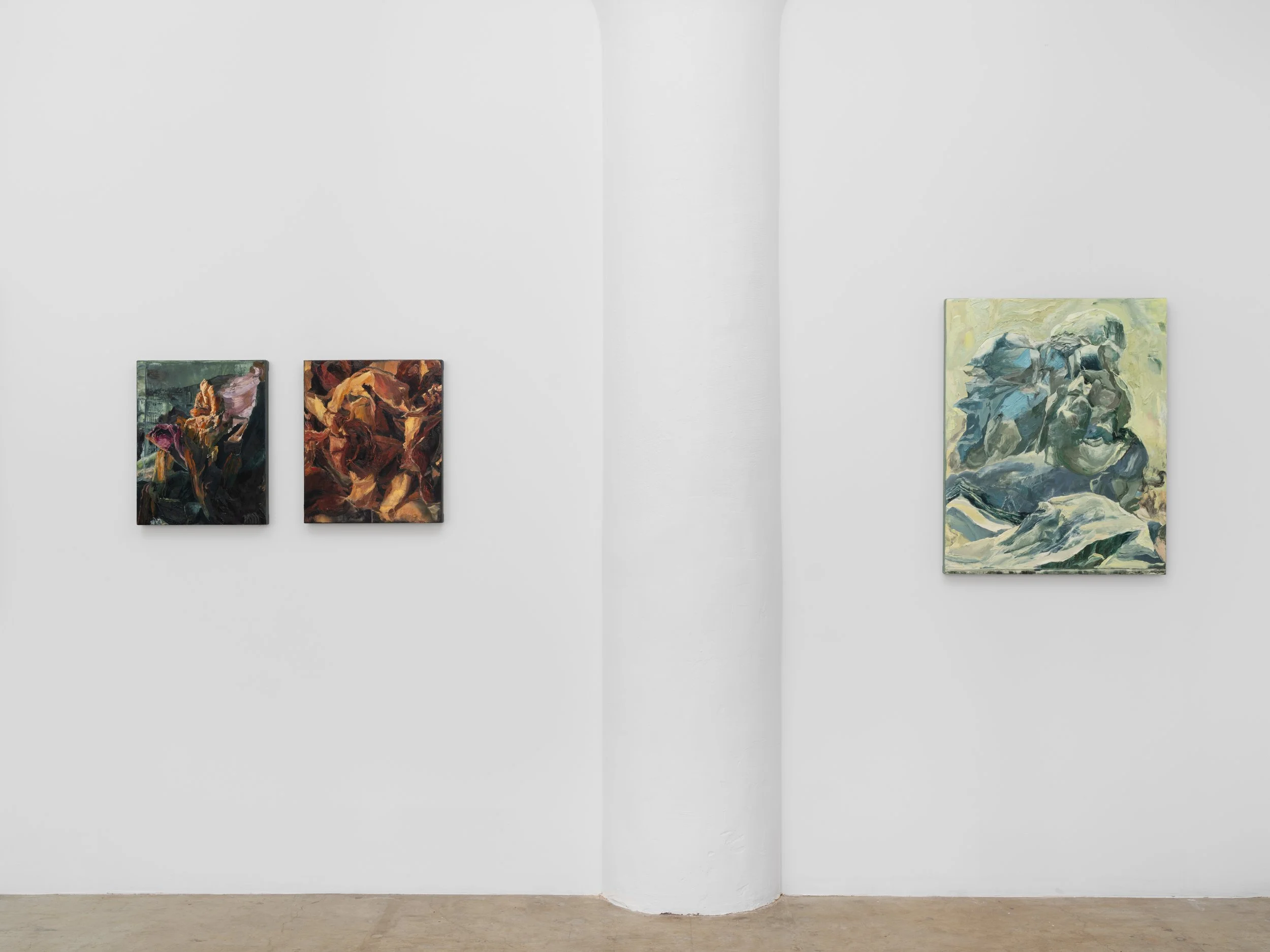
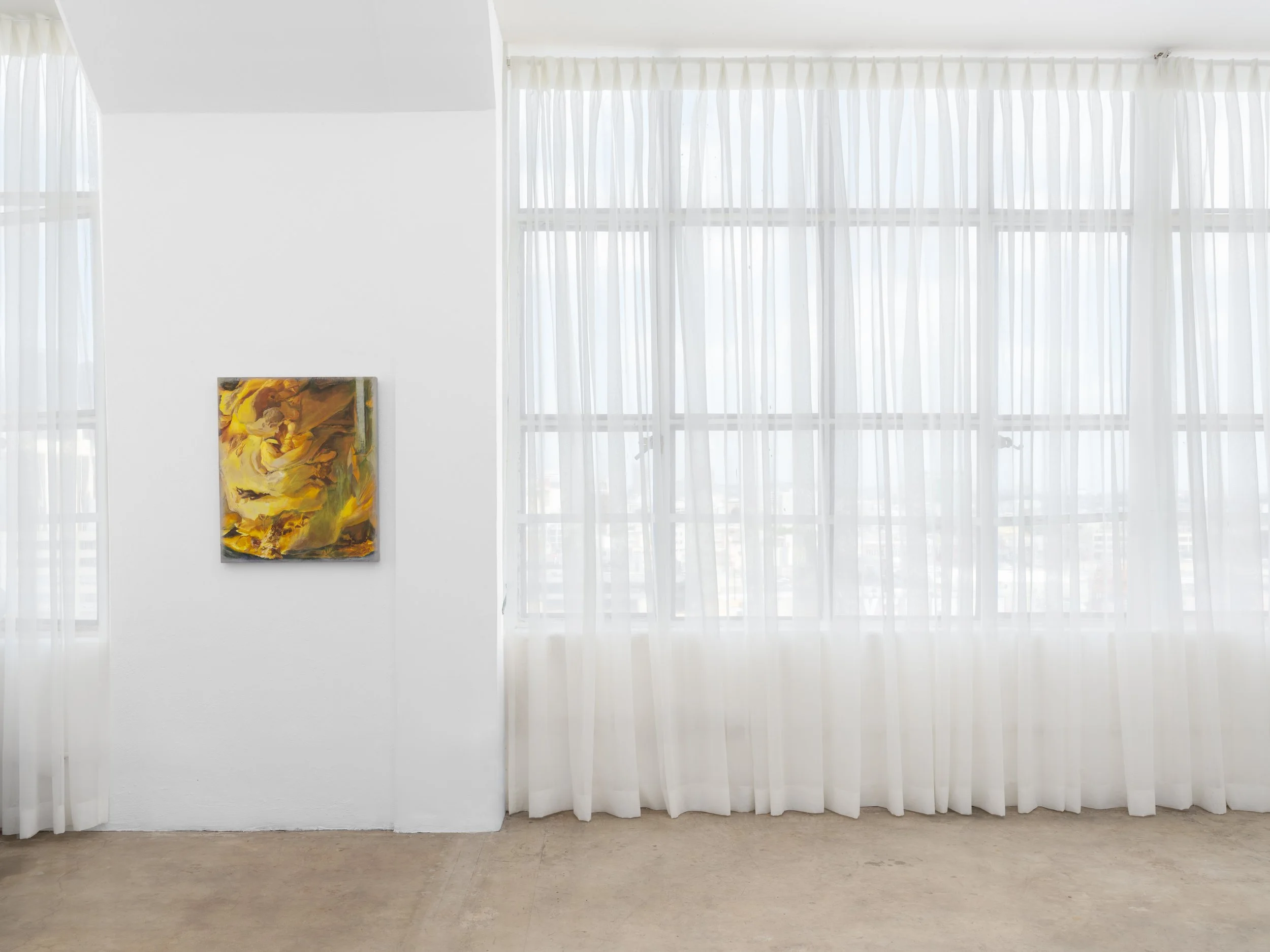
Davis Keller is pleased to present Abigail McCallum: History of Our Blood, on view from September 19 through November 14. Religious tropes, the duality between humanity and nature, and the notion of blood as a life source that sustains and unites us through generations, serve as underpinnings for McCallum’s abstractions. In an art historical context, McCallum sees a shared bloodline among artists across time, depicting reality through the lens of the same myths, symbols, and theologies.
The artist’s gestural abstraction consistently references the human body, and the vascular system in particular, invoking the notion of blood not only biologically, but also spiritually. Blood, sometimes seen in scripture as a cleansing, redemptive element, also plays a key role in the holiest days in the Jewish faith: Rosh Hashanah and Yom Kippur. During these holidays in ancient times, the high priest would enter the temple and sprinkle blood on the Ark of the Covenant, an action that would symbolically atone for the sins of the people.
McCallum is interested in the relationship between humans and trees in mythology and religion across cultures. In Judeo-Christian scripture, humans often encounter, or are tested by the divine near a tree, and typically in a high place (Adam in the Garden of Eden, Abraham and Isaac atop Mount Moriah, and Moses at the Burning Bush). In the Torah, it is sometimes near etz (the Hebrew word for tree, or objects fashioned with wood), where the truth is uncovered. In Need For Roots (Akarah), the title especially points to the human body’s innate connection to trees, the Hebrew word for root being akar, and the word for barren being akarah. The work depicts an image of uprootedness, perhaps signaling a rupture in an ancient bloodline.
Though deeply abstract, McCallum often deciphers actual images in her final compositions. In The Fall, the artist herself sees a figure running in mid-stumble, a hint of a foot catching a tree’s root on the ground, and behind it, rungs of a ladder. The structure of Stairway to Paradise was built around the central shape of a stump as it morphs into a staircase, and leads the viewer’s eyes to the vanishing point, creating an upward trajectory. McCallum sees large animal bodies strewn throughout the foreground.
Themes of ascension and descension, central to much Renaissance religious iconography, occur throughout the exhibition, in both physical and spiritual manifestations. In the pieces The Thinker and Face Off, one work depicts a body in a state of mental or spiritual ascension, while the other represents the decay of the physical form and a return to the earth, a descension. Through her painting process, McCallum mines her own relationships to ancient writing, tradition, and myth building. The resulting works reflect her investigations into a shared humanity, genealogy, and spiritual connectivity.
ABIGAIL MCCALLUM BIO / CV
For more information, to arrange a visit, or to inquire about artwork availability, please email info@daviskellergallery.com
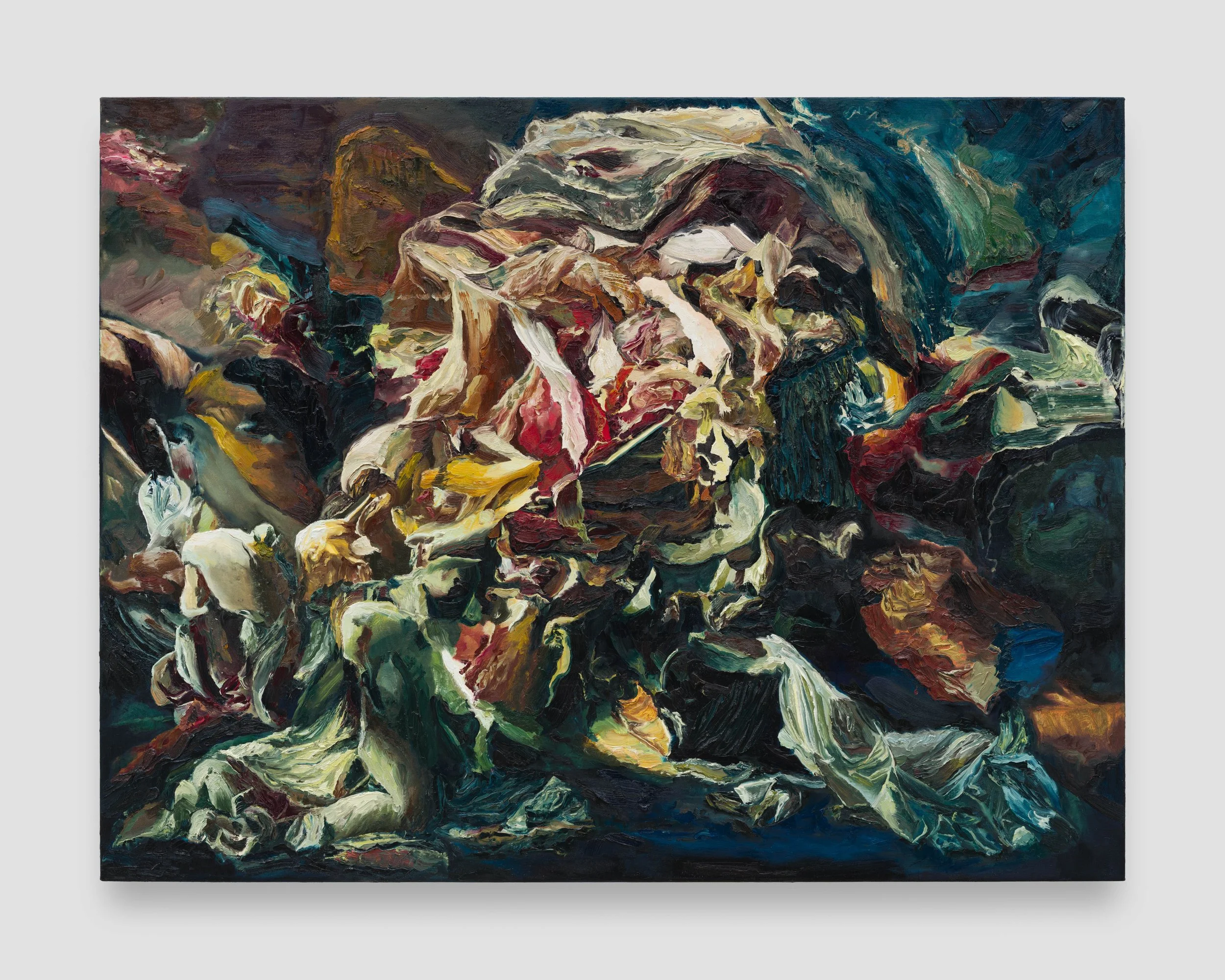
Abigail McCallum, 'Stairway to Paradise' (2026), oil on linen, 55 x 72 inches
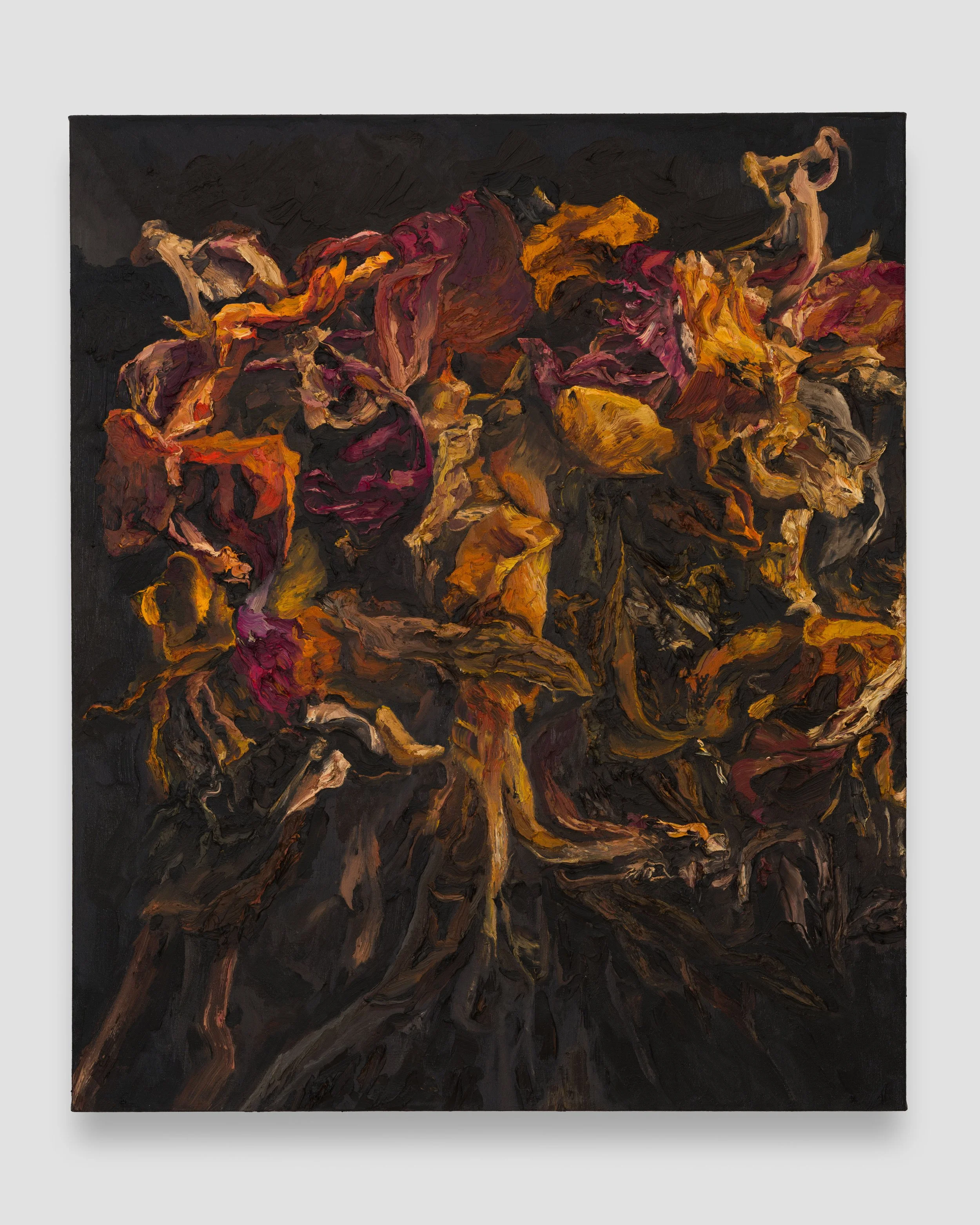
Abigail McCallum, 'Need for Roots (Akarah)' (2026), oil on linen, 42 x 35 inches
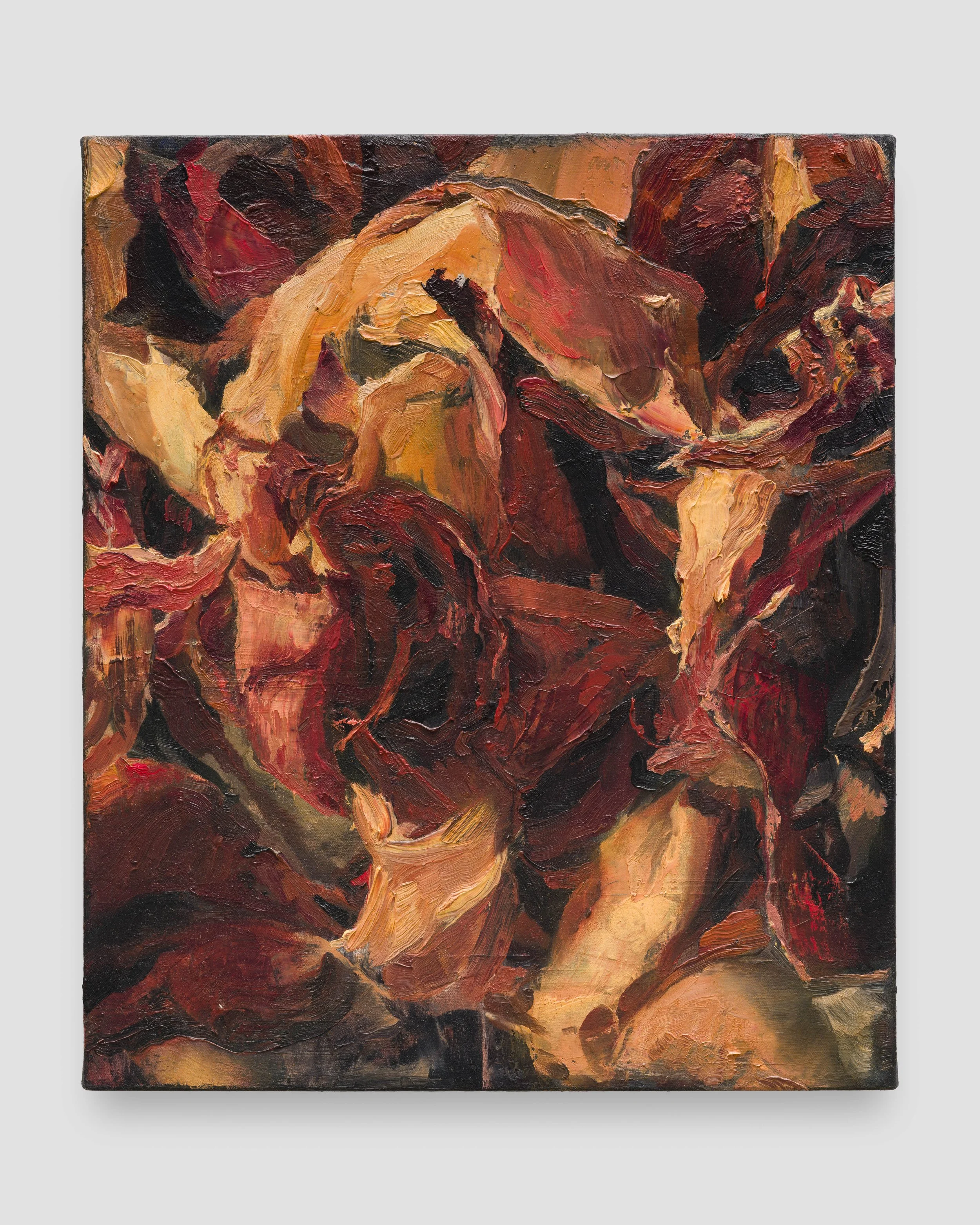
Abigail McCallum, 'Face Off' (2025), oil on canvas, 20 x 17 inches
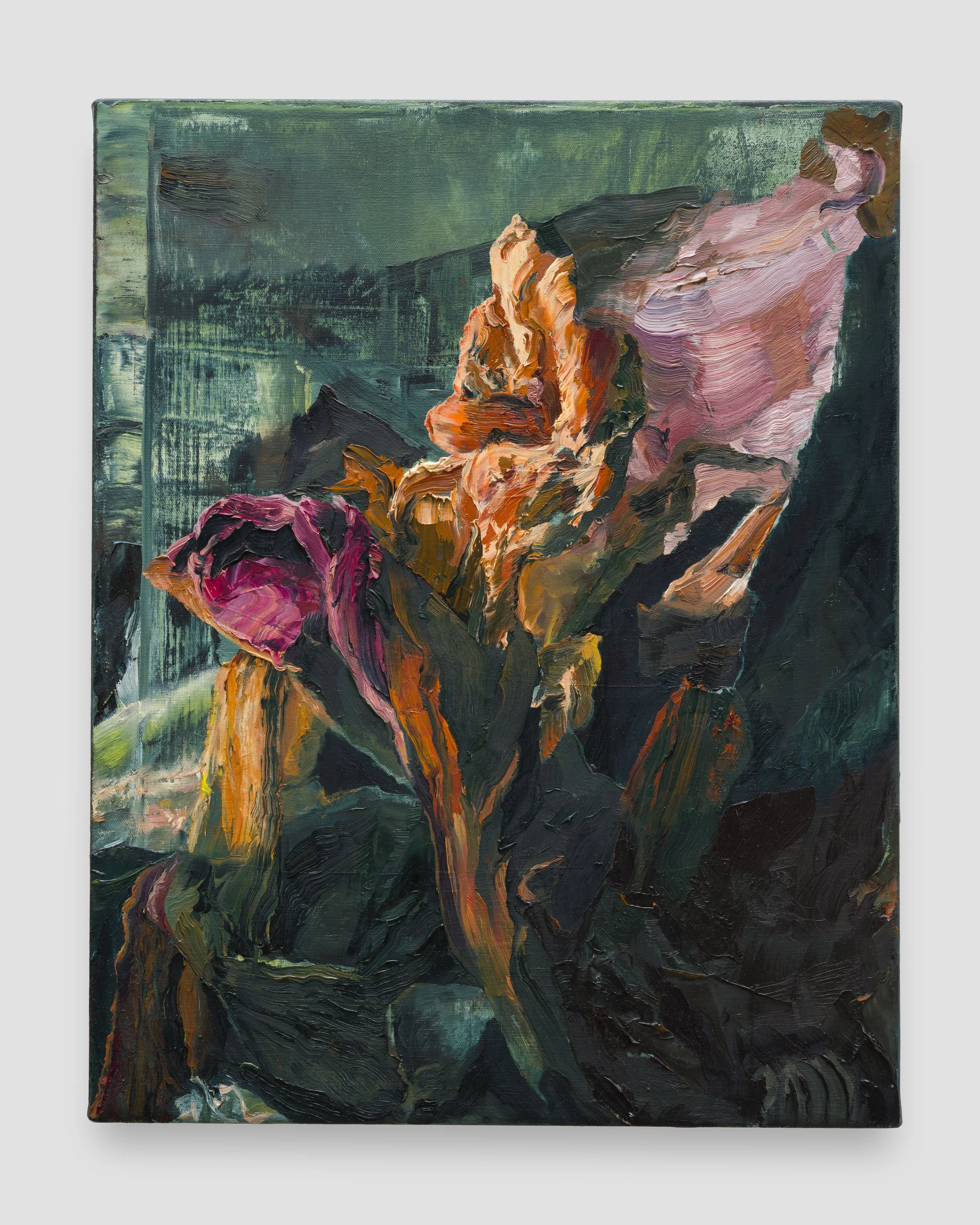
Abigail McCallum, 'The Thinker' (2026), oil on canvas, 17 x 14 inches
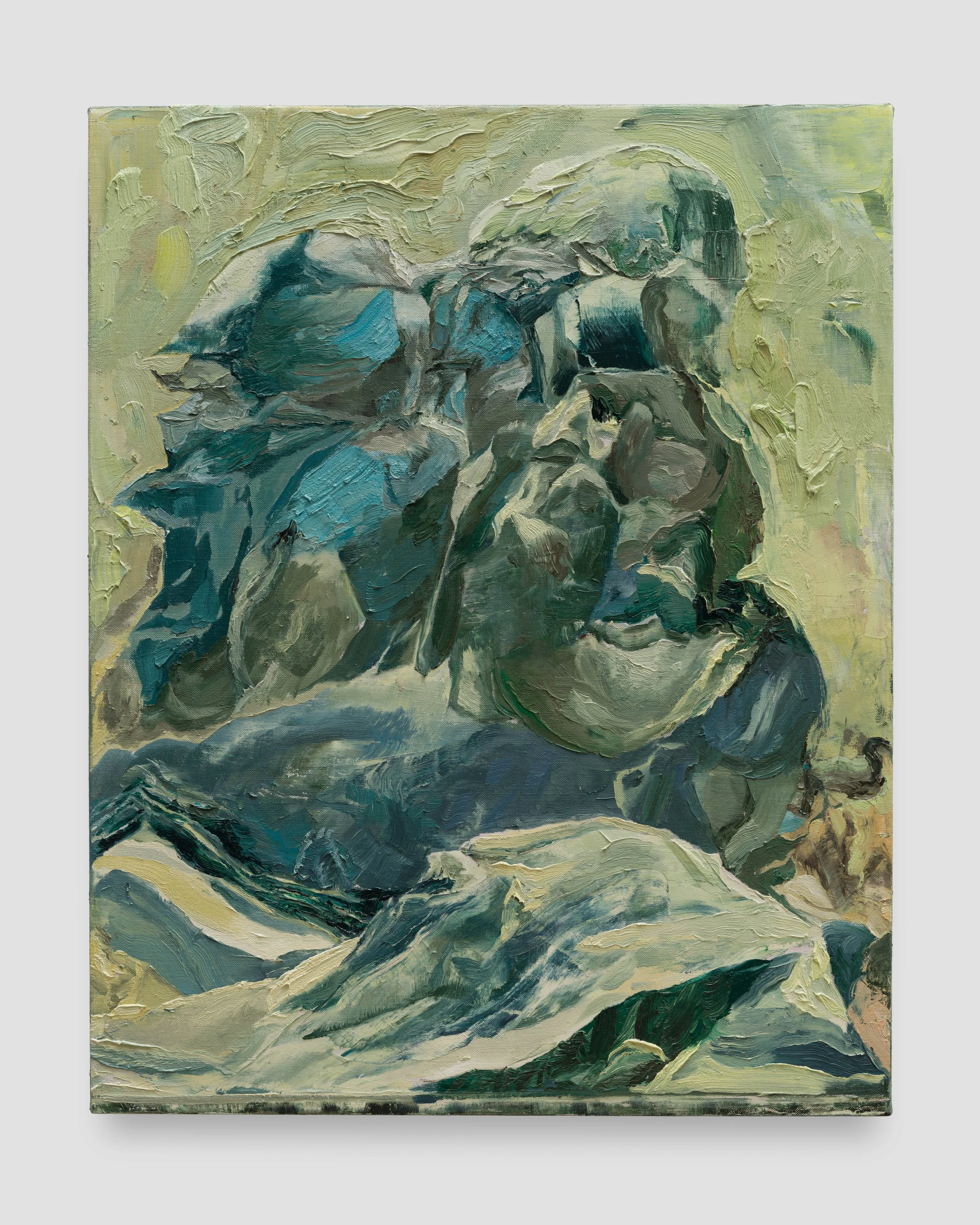
Abigail McCallum, 'Undeliverance (Perched)' (2025), oil on linen, 34 x 27 inches
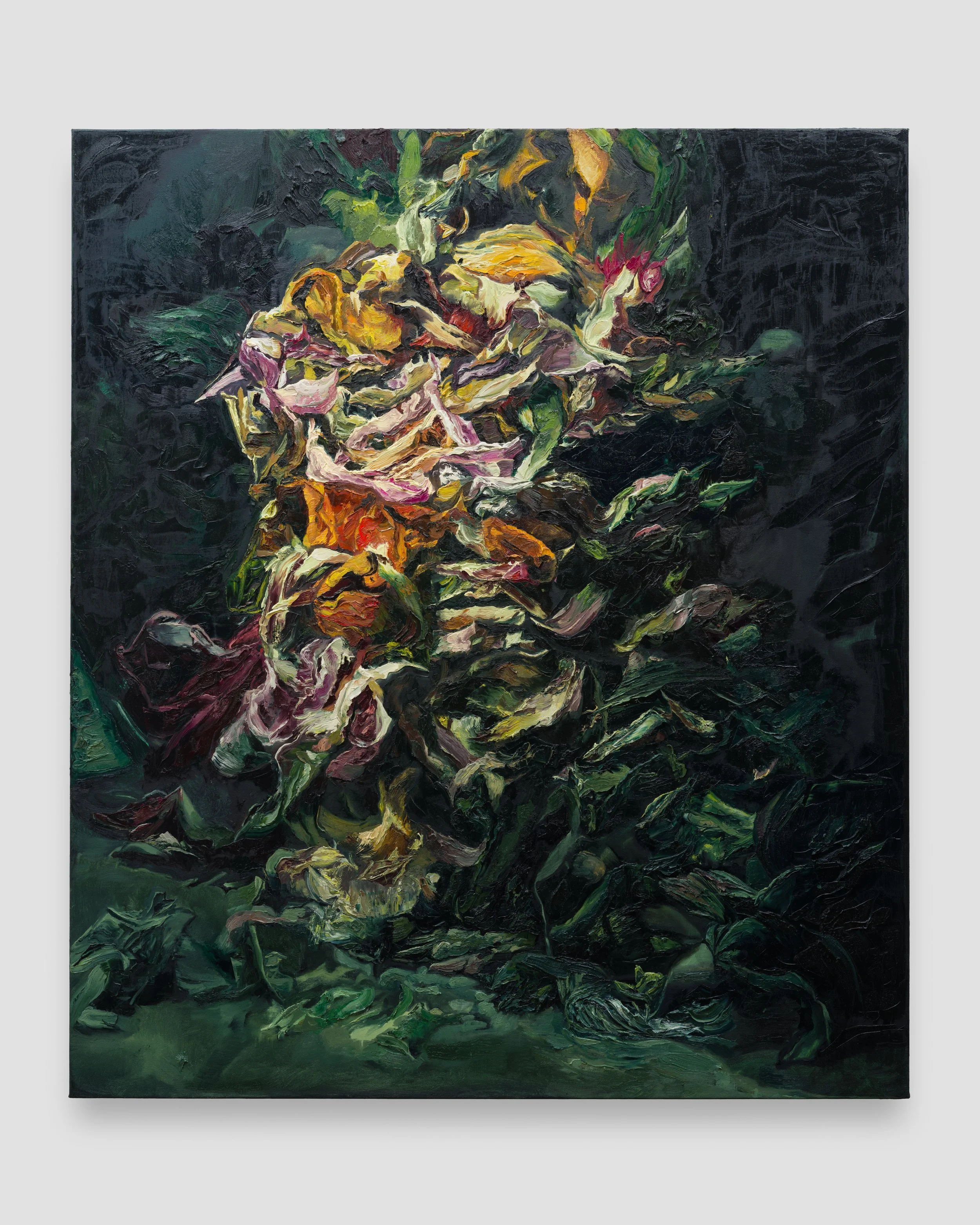
Abigail McCallum, 'The Fall' (2026), oil on linen, 72 x 62 inches
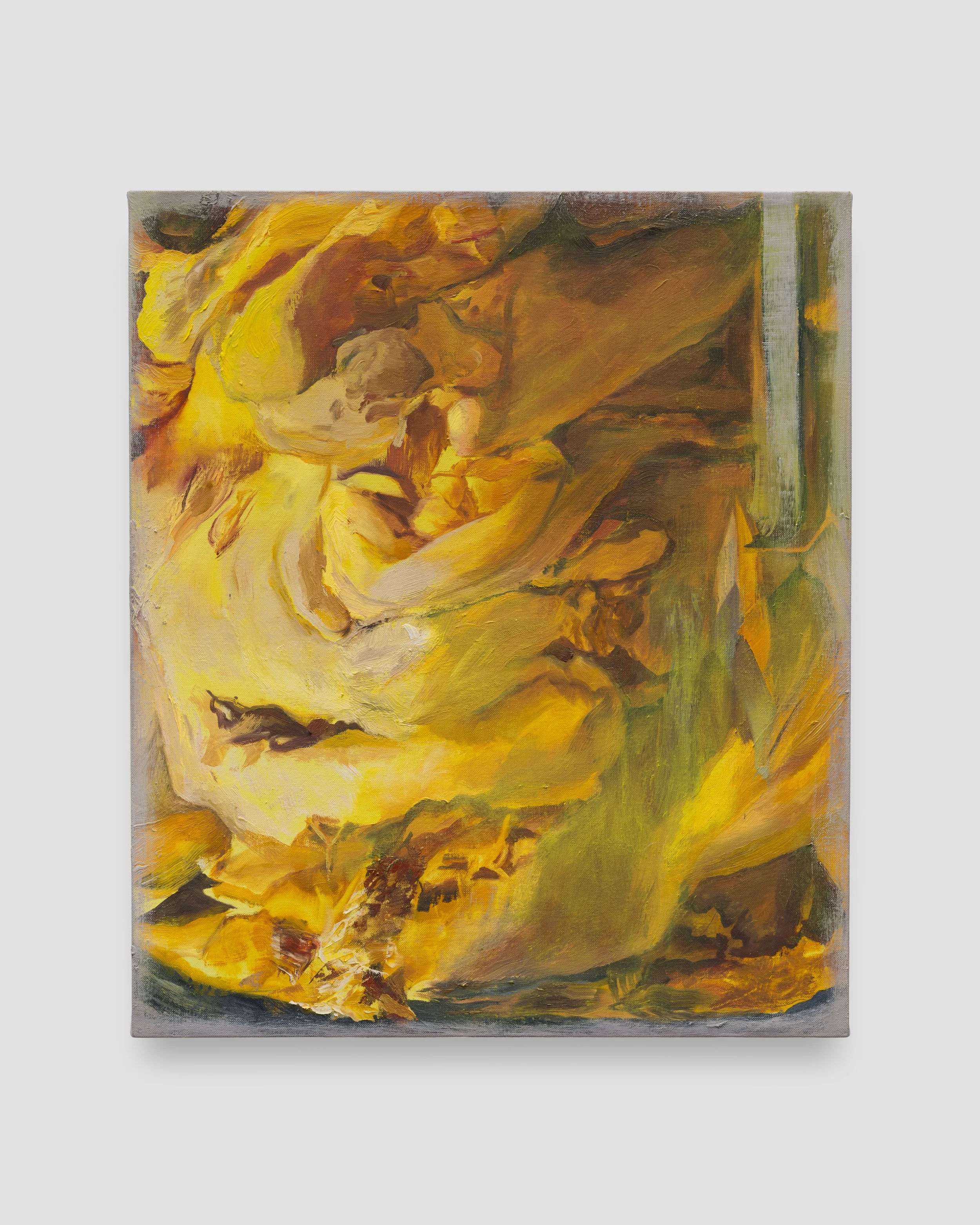
Abigail McCallum, 'Slow Oil Drifter' (2024), oil on linen, 28 x 24 inches